In the vibrant and often complex landscape of Haitian music, few songs have managed to capture the contemporary socio-political zeitgeist as effectively as “Savalou” by the band Zafem.
Fronted by the dynamic duo of Reginald Cange and Dener Ceide, Zafem has transcended the traditional boundaries of Konpa music, delivering tracks that serve not only as danceable melodies but as profound social commentaries. “Savalou” stands as a monumental piece in their repertoire, offering a poignant narration of the struggles, hopes, and contradictions inherent in modern Haitian society.
The song is far more than a musical composition; it functions as a mirror held up to the nation, reflecting the harsh realities of daily life while simultaneously invoking a spirit of ancestral resistance.
By weaving together intricate lyrical storytelling with the rhythmic pulse of Konpa, Cange and Ceide have created a cultural artifact that resonates deeply with Haitians both within the country and across the global diaspora.
The track addresses themes of systemic neglect, the loss of innocence among the youth, and the enduring need for national unity.
This article explores the layers of meaning embedded in “Savalou,” dissecting its lyrical metaphors, its cultural significance, and the specific message it conveys to the authorities and the citizenry alike.
From the invocation of the title itself to the specific critiques of power dynamics, we examine how Zafem uses their platform to advocate for a renewed sense of dignity and peace in Haiti.
The Cultural Significance of the Term “Savalou”
To fully appreciate the weight of the song, one must first understand the etymology and cultural resonance of the word “Savalou.” In the context of Haitian culture and spirituality, particularly within the Vodou tradition which traces its roots back to Dahomey (modern-day Benin), “Savalou” is often understood as a salutation to liberty or a respectful greeting to the spirits (Lwa).
It is a term that carries the vibration of freedom, resilience, and a connection to the ancestral homeland.
By choosing this title, the artists are not merely naming a song; they are invoking a historical consciousness and a spiritual plea for deliverance.
The use of such a charged term sets the stage for a message that is both urgent and timeless. It suggests that the struggles faced by the current generation are observed by the ancestors, and that the solution requires a return to the values of courage and solidarity that defined the Haitian Revolution.
The title acts as a bridge between the sacred past and the profane present, grounding the modern political critique in a deep well of cultural identity.
Reginald Cange and the Portrait of Urban Struggle
Reginald Cange, known for his emotive vocal delivery and charismatic stage presence, opens the narrative by painting a vivid picture of the country’s current state. His verses do not shy away from the palpable pain that permeates the streets. He describes a suffering that is visible in every corner, yet paradoxically ignored by those with the power to alleviate it. Cange’s delivery is often characterized by a sense of urgency, acting as a town crier who refuses to let the listener look away from the uncomfortable truths of poverty and insecurity.
In his lyrical exposition, Cange highlights the collective longing for peace. This is not a passive wish but a desperate mission. The lyrics suggest that the window for change is closing—”Li fin ta, n ap di l bonè” (It is getting late, though we say it is early)—implying that the time for action was yesterday.
This sense of temporal distortion reflects the anxiety of a population waiting for a stability that feels perpetually out of reach. His voice carries the weight of the “malere” (the less fortunate), ensuring their silence is broken by the amplification of the music.
Dener Ceide’s Critique of Systemic Manipulation
Dener Ceide, the maestro and composer behind much of Zafem’s intricate sound, delivers a verse that is surgical in its critique of social decay. He moves beyond general lamentation to identify specific symptoms of a failing state. One of the most striking images he conjures is that of a school-aged youth holding a high-caliber weapon—specifically mentioned as a “Galil” in the lyrics. This juxtaposition of education (the school kid) and warfare (the weapon) serves as a harrowing symbol of lost potential and the corruption of innocence.
Ceide questions the economics of violence, noting that the youth holding the weapon likely did not have the funds to purchase it himself. This rhetorical move points the finger directly at the “invisible hands” or the powerful elites who arm the vulnerable for their own political or financial gain.
By exposing this manipulation, Ceide challenges the narrative that violence is merely a product of the streets, instead framing it as a systemic issue perpetuated by those in high positions who use the poor as pawns in a larger game of power.
The Metaphor of Blindness and the “Stevie Wonder” Reference
A recurring and memorable line in the song is the comparison to Stevie Wonder. The lyrics accuse the authorities of seeing everything yet acting as if they see nothing, ultimately claiming they are “blind, blind, blind… worse than Stevie Wonder.” While Stevie Wonder is physically blind, the blindness described in the song is moral and voluntary.
It is a refusal to acknowledge the suffering that is plainly visible. This metaphor serves to satirize the feigned ignorance of the ruling class.
This concept of “intentional blindness” is central to the song’s critique. It suggests that the crisis in Haiti is not due to a lack of awareness but a lack of will and empathy. The leaders are depicted as counting their money daily while the country burns around them. By invoking a globally recognized figure like Stevie Wonder, the artists make the critique accessible and biting, emphasizing that physical blindness is a condition, but ethical blindness is a choice.
Living as Exiles in the Homeland
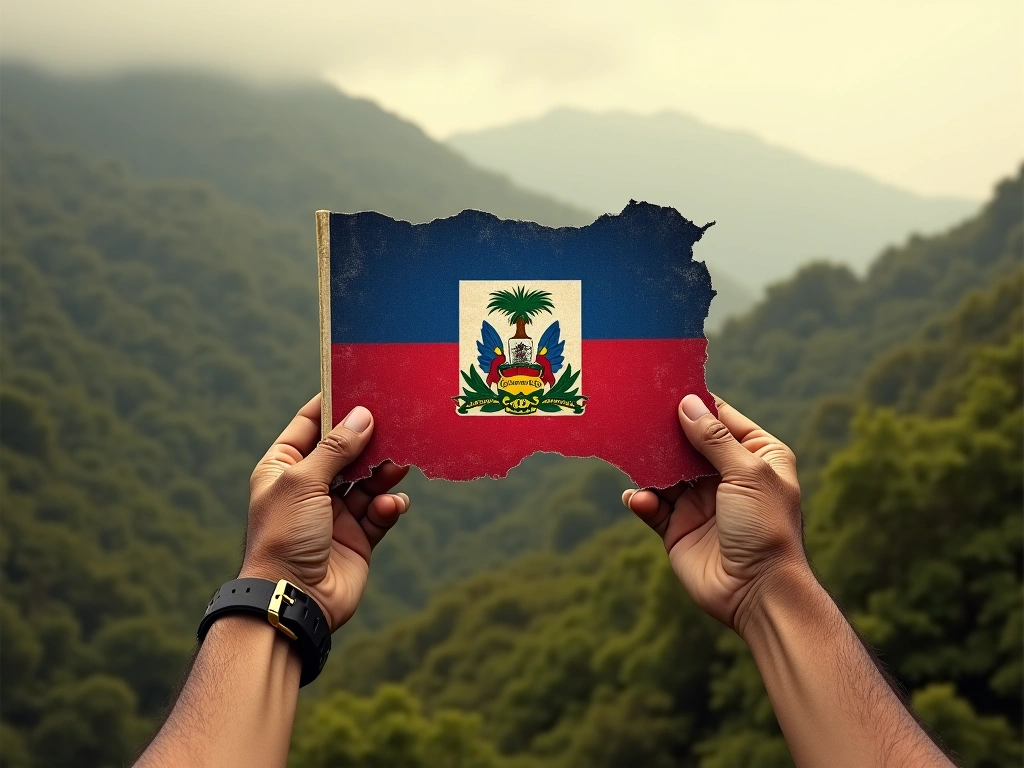
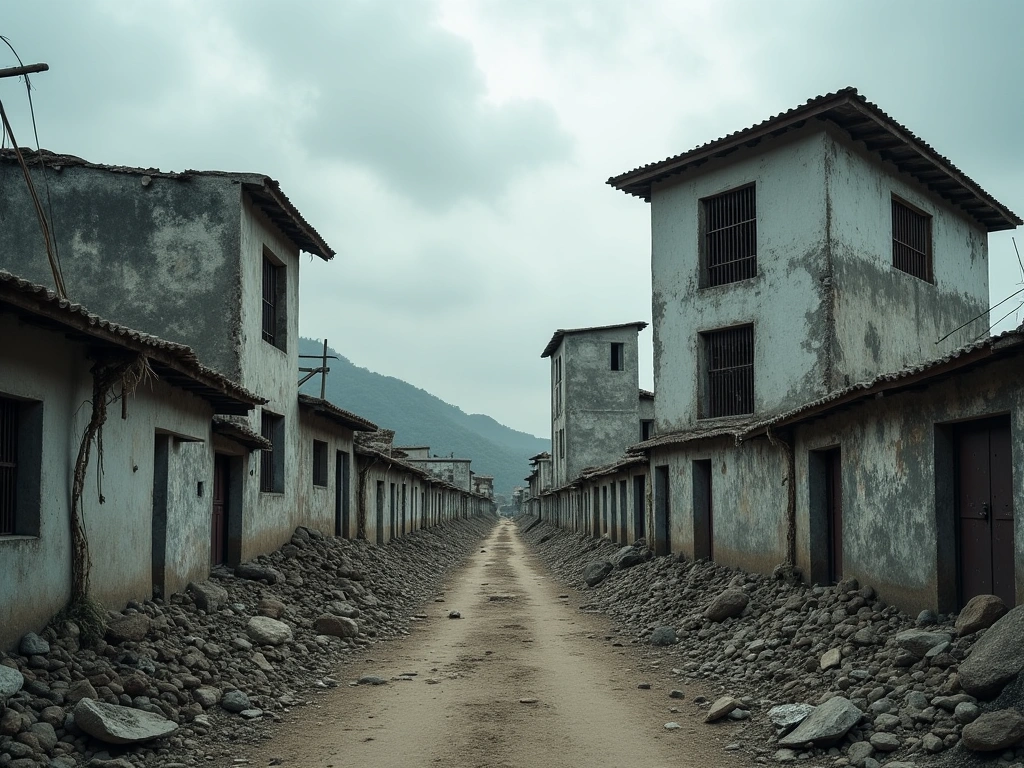
Another profound theme explored in “Savalou” is the psychological state of the Haitian citizen. The lyrics describe Haitians living as exiles within their own country (“Ayisyen ap viv an ekzil nan prop peyi l”). This powerful statement captures the alienation felt by citizens who no longer recognize their home due to the drastic changes in safety, economy, and social cohesion. It speaks to the feeling of displacement that occurs not when one leaves, but when one stays and watches their environment deteriorate.
This “internal exile” is compounded by the behavior of the authorities, who are described as treating their own people as enemies rather than citizens to be served. The song reminds these leaders that their mandate is service, not subjugation. This reversal of roles—where the protector becomes the predator—is identified as a core source of the nation’s trauma. The song pleads for a restoration of the social contract where the government protects the interests and lives of the population.
Ancestral Heroes and the Call for Historical Responsibility
Zafem anchors their message in the historical legacy of Haiti. The song explicitly references the “heroes who fought” (Ewo nou yo), alluding to the founding fathers of the nation like Toussaint Louverture and Jean-Jacques Dessalines. The artists argue that the current state of affairs is a betrayal of the sacrifices made during the revolution. The heroes did not fight for a Haiti where the powerful amass wealth while the masses starve; they fought for dignity, equality, and autonomy.
This appeal to history serves as a shaming mechanism for the current leadership and a rallying cry for the youth. It asks the listener to measure their current actions against the monumental standards set by their ancestors. The refrain “Sispann jwe ak peyi a” (Stop playing with the country) is a demand for seriousness. It implies that governance has been treated as a game or a business venture, rather than a sacred duty to preserve the legacy of the world’s first Black republic.
FAQ: Understanding Zafem and Savalou
What is the main message of the song Savalou?
The main message of “Savalou” is a plea for social justice, political accountability, and national unity in Haiti. It criticizes the corruption and indifference of the ruling class while highlighting the suffering of the ordinary citizen.
The song calls for an end to the manipulation of the youth and urges Haitians to honor the sacrifices of their ancestors by working towards peace and stability.
Who are the artists behind the group Zafem?
Zafem is a prominent Haitian band formed by Reginald Cange and Dener Ceide. Reginald Cange is a celebrated vocalist known for his time with the band Zenglen, while Dener Ceide is a highly respected composer, guitarist, and producer who has penned hits for numerous artists in the Haitian music industry.
Their collaboration in Zafem represents a fusion of high-level musicality with conscious, meaningful lyricism.
What does the line “Pase Stevie Wonder” mean in the context of the song?
The line “Pase Stevie Wonder” translates to “Worse than Stevie Wonder.” It is a metaphorical criticism of government officials and elites who choose to ignore the obvious problems facing the country.
While Stevie Wonder is blind physically, the song argues that the authorities are “blind” by choice, refusing to see the poverty and violence that are right in front of them.
Why is the mention of a “Galil” significant in the lyrics?
The “Galil” is a type of automatic rifle. Its mention in the song is significant because it highlights the severity of the insecurity in Haiti. By describing a school-aged youth holding such a weapon, the songwriters underscore the tragedy of children being drawn into armed conflict and gang violence instead of pursuing education. It also raises the question of how impoverished youth gain access to such expensive weaponry, pointing to external funding and manipulation.
How does the song relate to Haitian history?
The song connects current events to Haitian history by referencing the “heroes” of the nation. It contrasts the noble goals of the Haitian Revolution—freedom, equality, and brotherhood—with the current reality of division and exploitation.
The artists use this historical perspective to remind the population that the current state of the country is not what the founding fathers fought and died for.
What genre of music is Savalou?
“Savalou” falls under the genre of Konpa (or Compas), which is the modern meringue dance music of Haiti. However, Zafem is known for blending traditional Konpa rhythms with elements of world music, jazz, and deeply poetic lyrics, creating a sound that is sophisticated and distinct from standard commercial Konpa.