
The highly anticipated debut of the musical group ZAFEM at the Melrose Ballroom in New York City marked a pivotal moment in the history of modern Haitian music. Thousands of fans, industry insiders, and cultural enthusiasts gathered to witness a spectacle that transcended a standard concert performance.
Held over two consecutive nights on Saturday, July 8th, and Sunday, July 9th, 2023, the event served as the official live introduction of the band formed by industry heavyweights Dener Céide and Réginald Cangé. The weekend was not merely a showcase of their album Lalin Ak Solèy, but a celebration of heritage, rhythm, and technical mastery.
This article explores the intricate details of those two nights, analyzing the musical arrangements, the cultural tributes, and the broader impact this premiere has had on the Haitian Music Industry (HMI). From the specific instrumentation to the audience’s emotional response, the ZAFEM premiere set a new benchmark for live Compas performances.
The Genesis of a Supergroup and the Melrose Atmosphere
The formation of ZAFEM created a wave of excitement long before the first note was played at the Melrose Ballroom. The collaboration between Dener Céide, a prolific songwriter and guitarist, and Réginald Cangé, a vocalist known for his dynamic range and stage presence, was viewed by many as a necessary evolution for the genre.
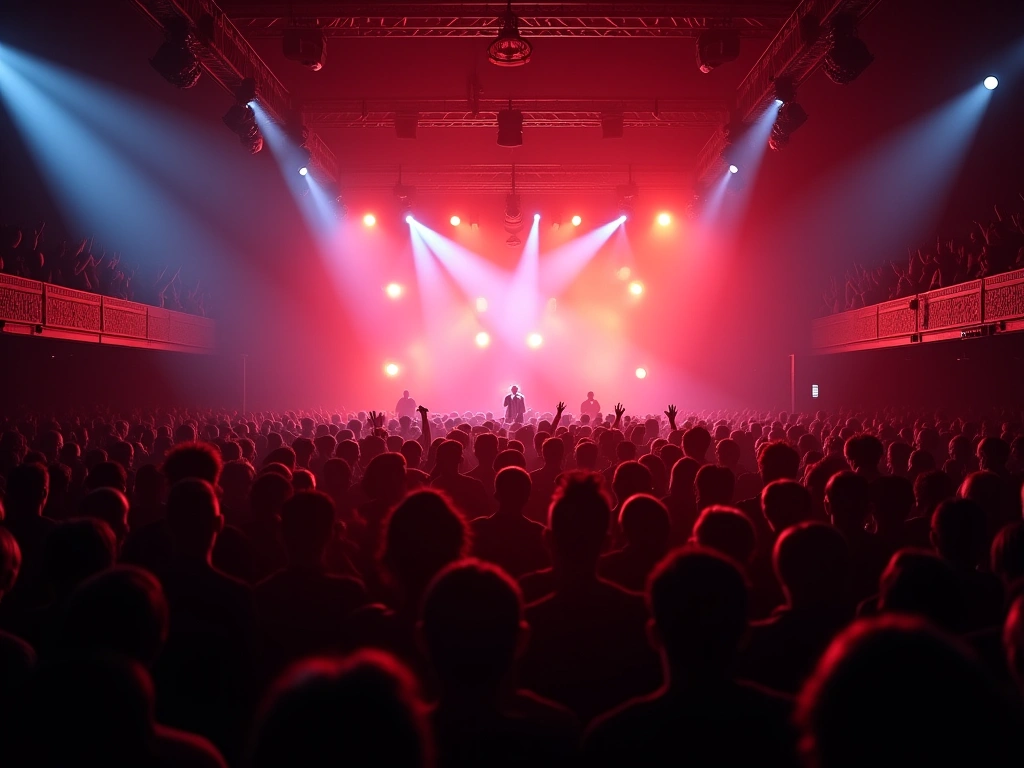
The atmosphere inside the venue reflected this high anticipation.
On the opening night, the energy was palpable as attendees from across the diaspora filled the space. The venue was packed to capacity, with tickets having sold out rapidly—a testament to the band’s marketing strategy and the hunger within the community for a high-caliber musical experience.
The air buzzed with conversations in Creole, French, and English, uniting generations of music lovers.
The Melrose Ballroom, known for its advanced lighting and sound capabilities, provided the ideal canvas for ZAFEM’s complex arrangements. The stage design was kept relatively focused on the musicians, allowing the technical proficiency of the band to remain the centerpiece of the evening. This focus on substance over gimmicks set the tone for a serious musical exhibition.
Musical Mastery: Deconstructing the Performance
The core of ZAFEM’s appeal lies in their ability to blend traditional Kompa Direk elements with modern jazz and world music influences. During the premiere, this fusion was executed with remarkable precision. The chemistry between the band members was evident, particularly in the rhythm section, which serves as the heartbeat of any Compas band.
A standout element of the performance was the percussion work. The conga player, Aya, delivered a masterclass in rhythm, anchoring the band’s sound with deep, resonant tones that drove the dancers on the floor. In Compas music, the tanbou (drum) is not just an instrument; it is a voice that communicates directly with the audience’s movement.
Equally impressive was the keyboard work, which provided the harmonic texture for the night. The interplay between the keys and the bass guitar created a lush, full sound that filled the room without becoming muddy. The bassist showcased exceptional skill, navigating complex chord changes while maintaining the heavy, driving groove essential for the genre’s signature gouyad sections.
Honoring the Architects of Haitian Sound
ZAFEM distinguished themselves not only through their original compositions but also through a carefully curated selection of tributes. The concert repertoire was designed to pay homage to the giants upon whose shoulders the current generation stands. This was not a casual cover set; it was a deliberate educational and emotional journey through Haitian music history.
The band performed tributes to legends such as Koupe Kloue, known for his storytelling and comedic timing, and Ansyto Mercier, a pioneer of the digital Compas sound. By weaving these influences into their set, ZAFEM bridged the gap between the “old school” traditionalists and younger fans who may be discovering these names for the first time.
Significant moments were also dedicated to the memory of Manno Charlemagne and Black Alex. Charlemagne’s folk-political influence and Black Alex’s contributions to the Rap Kreyòl and King Posse era represent diverse ends of the musical spectrum. ZAFEM’s ability to honor such varied artists highlights their philosophy of unity within the culture.
Night One vs. Night Two: The Evolution of the Experience
While the first night, July 8th, was a triumph of excitement and debut energy, the second night, July 9th, demonstrated the band’s ability to refine and elevate their performance. Observers noted that the Sunday show surpassed the already high bar set by the premiere, offering a tighter and more fluid experience.
On the second night, the band appeared more settled and confident. The nervousness of the debut had evaporated, replaced by a swagger and command of the stage that allowed for more improvisation and interaction with the crowd. The audience, feeding off this confidence, responded with even greater enthusiasm, creating a feedback loop of energy.
Attendance on the second night included high-profile figures and representatives from the press, as well as fans who had traveled from Boston, Florida, and the Dominican Republic. The presence of these dedicated travelers underscored the event’s status as a destination concert, drawing the diaspora together for a communal celebration.
Technical Execution and Constructive Critiques
Despite the overwhelming success, the weekend was not without minor technical learning curves, particularly on the first night. Industry commentators, including Pipo St. Louis, noted that while the band was flawless, external factors occasionally disrupted the flow. These critiques were largely aimed at production elements rather than the musicians themselves.
One point of discussion was the performance of the DJ during the intermissions on the first night. Critics felt the song selection did not fully align with the thematic depth of the evening, creating a slight disconnect between the live sets and the breaks.
Additionally, there were fleeting moments of silence or “dead air” that are common in premiere events as stage crews adjust to live dynamics.
However, the sound engineering for the band itself was widely praised. The balance between vocals and instruments is notoriously difficult to perfect in large ballrooms, yet the team managed to deliver a crisp audio experience.
The “marriage” of the production team and the musicians on stage was largely successful, ensuring that the intricate details of songs like “Bradsou Bradsa” were clearly audible.
Cultural Resonance and Fan Reactions
The emotional impact of the ZAFEM premiere extended far beyond the technical aspects of the music. For many attendees, the concert was a validation of Haitian identity and a source of profound pride. The lyrics, often laden with double entendres and social commentary, resonated deeply with a crowd hungry for substantive content.
Social media platforms were inundated with videos and testimonials following the event. Fans described the experience as “mesmerizing” and a “return to roots.” The sentiment shared by many was that ZAFEM had restored a level of sophistication and prestige to the live Compas scene that some felt had been diminishing.
The song “Bradsou Bradsa” emerged as a particular fan favorite during the live sets. Its intricate arrangement and lyrical depth exemplified the band’s mission to challenge the listener while still providing a danceable groove. The audience’s ability to sing along word-for-word, despite the album being relatively new, demonstrated the immediate impact of the material.
The Future of the Haitian Music Industry
The success of the Melrose Ballroom premiere has sparked important conversations regarding the future trajectory of the Haitian Music Industry. ZAFEM has demonstrated that there is a viable market for music that prioritizes artistic integrity and cultural history over fleeting trends. This success challenges other bands to elevate their production standards.
Observers have advised the band leaders, Réginald and Dener, to navigate their newfound dominance with wisdom. The industry can be competitive, and the advice from veterans is to maintain humility and focus on the craft. By staying defensive against industry politics and offensive in their musical creativity, ZAFEM is positioned to lead the genre for years to come.
Ultimately, the grand premiere was more than a concert; it was a statement. It declared that Compas music is evolving, vibrant, and capable of commanding world-class stages. As the band continues its tour, the standard set in New York will likely serve as the measuring stick for all major HMI events in the near future.
FAQ
Who are the founders of the band ZAFEM?
ZAFEM was founded by two prominent figures in the Haitian Music Industry: Dener Céide and Réginald Cangé. Dener Céide is widely respected as a master composer, guitarist, and producer who has penned hits for numerous bands. Réginald Cangé is a celebrated vocalist known for his unique voice and energetic stage performance, formerly of the band Zenglen.
Where and when did the grand premiere take place?
The grand premiere took place at the Melrose Ballroom in New York City. The event spanned two nights, occurring on Saturday, July 8th, and Sunday, July 9th, 2023. Both nights attracted large crowds, with the venue serving as a central hub for the Haitian diaspora on the East Coast.
What is the significance of the album “Lalin Ak Solèy”?
Lalin Ak Solèy (Moon and Sun) is the debut studio album by ZAFEM. The concert at Melrose Ballroom served as the live premiere of this body of work. The album is significant because it blends traditional Compas rhythms with sophisticated arrangements and socially conscious lyrics, marking a departure from the more formulaic styles often seen in the genre.
Which musical legends were honored during the concert?
The band paid tribute to several deceased legends of Haitian music, ensuring their contributions were recognized by the modern audience. These tributes included nods to Koupe Kloue, Ansyto Mercier, Beethoven Oba, Manno Charlemagne, and Black Alex. Each tribute highlighted a different era and style within the broader spectrum of Haitian musical history.
What is the “Gouyad” mentioned in the context of the performance?
The Gouyad is a specific section within a Compas song characterized by a slower, heavier, and more sensual groove. It is often the climax of the song where the rhythm section locks into a repetitive, driving beat designed for close dancing. During the ZAFEM concert, the bassist and keyboardist were praised for their execution of these intense rhythmic sections.
Were there any technical issues during the premiere?
While the band’s performance was widely considered flawless, there were minor production critiques regarding the first night. Some attendees and commentators noted that the DJ’s selection during breaks did not match the event’s theme, and there were occasional moments of dead air.
However, these issues were largely resolved or overshadowed by the quality of the live band performance, especially on the second night.