In the vibrant and often chaotic world of the Haitian Music Industry (HMI), the spotlight naturally falls on the vocalists and maestros who command the stage. However, the longevity and commercial success of any musical entity rely heavily on the infrastructure built behind the curtains.
While fans are captivated by the melodies of Konpa Dirèk, a complex network of logistics, negotiations, and strategic planning ensures that the music actually reaches the audience.
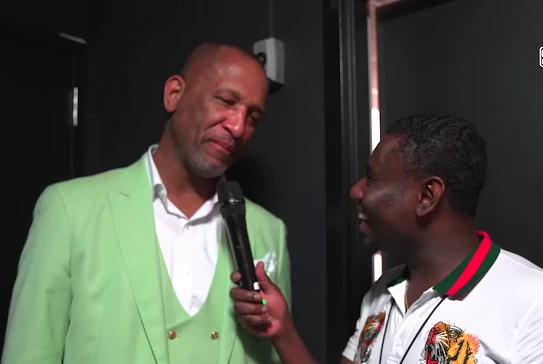
At the center of this structural backbone for the band Zafem is Evens Blaise. As a manager, Blaise represents a shift toward high-level professionalism in a market that has historically struggled with informality. His role extends beyond simple booking; he acts as the architect of the band’s public trajectory and the guardian of its business interests. This dynamic was recently explored in a detailed interview with veteran cultural journalist Guy Wewe, offering a rare glimpse into the operational side of one of Haiti’s most popular modern bands.
Understanding the partnership between Evens Blaise and Zafem requires looking at the broader context of music management. It involves analyzing how discipline, reputation, and strategic touring schedules elevate a musical group from a local sensation to an international brand.
This article delves into the mechanics of HMI management, the significance of Blaise’s background with Jaz Enterprise, and the global roadmap currently being charted for Zafem.
The Role of the Manager in the HMI Ecosystem
The Haitian Music Industry is a unique ecosystem with its own set of rules, challenges, and opportunities. Unlike major American labels where responsibilities are compartmentalized among large teams, an HMI manager often wears multiple hats. They are frequently the road manager, the booking agent, the publicist, and the legal proxy all at once. This high-pressure environment demands a specific temperament—one that balances artistic sensitivity with rigid business acumen.
Evens Blaise exemplifies this multifaceted role. His responsibilities involve navigating the complex visa requirements for international travel, securing venues that match the band’s prestige, and managing the interpersonal dynamics of a touring group. In his conversation with Guy Wewe, Blaise highlighted that the primary function of management is to create a protective bubble around the artists. This allows the musicians, specifically the creative forces like Dener Ceide and Reginald Cangé, to focus entirely on performance and composition without being bogged down by administrative friction.
Effective management in the HMI also involves brand protection. In an era of social media where rumors spread instantly, the manager controls the narrative. Blaise’s approach is characterized by a deliberate control of information and a refusal to engage in the polemics that often distract other bands. By maintaining a professional distance and focusing on the product—the music—he helps sustain the band’s premium status in a saturated market.
Evens Blaise and the Legacy of Jaz Enterprise
To understand Evens Blaise’s management style, one must look at his track record prior to Zafem. He is the CEO of Jaz Enterprise, the promotional engine behind “La Nuit des Jeunes” (LNDJ). For over a decade, LNDJ has stood as one of the premier cultural events in the Haitian diaspora, particularly in New York City. It is not merely a concert; it is a curated showcase that often bridges the gap between the golden age of Konpa and the new generation.

Running an event of LNDJ’s magnitude requires military-grade precision. It involves coordinating multiple bands, managing high-end venues, and satisfying a discerning audience that expects quality. This experience provided Blaise with a blueprint for discipline that he now applies to band management.
He learned early on that in the entertainment business, reputation is currency. If a promoter or manager is known for punctuality and honoring contracts, they gain leverage in negotiations.
This background contrasts sharply with the “fly-by-night” reputation that sometimes plagues promoters in the Caribbean music scene. Blaise brought the institutional knowledge gained from years of producing large-scale events in New York directly into the operational structure of Zafem.
This transition from event promoter to band manager is significant because it means he understands the industry from the buyer’s perspective, allowing him to negotiate deals that are sustainable for both the band and the promoters hiring them.
The Philosophy of Discipline and Structure
During the interview with Guy Wewe, a recurring theme was the perception of Blaise as “rigid” or overly strict. In the creative arts, structure is often mistaken for stifling restriction. However, Blaise argues that discipline is the prerequisite for freedom. By enforcing strict schedules, clear contractual obligations, and professional conduct, he creates an environment where the band can thrive consistently rather than sporadically.
Blaise admitted that his insistence on structure aligns perfectly with the vision of Zafem’s founders. The band itself was launched with a clear intent to raise the bar for musical production and presentation. A chaotic management style would clash with the polished, sophisticated sound that Zafem produces.
Therefore, the “rigidity” Blaise is known for is actually a strategic asset. It ensures that sound checks happen on time, that payments are secured before performances, and that the band’s rider requirements are met.
This approach is a departure from the “laissez-faire” attitude that led to the decline of many promising bands in the past. Blaise references his own history managing the New York All-Stars as a learning ground. He emphasizes that talent alone is not enough to sustain a career spanning decades; it requires the boring, unglamorous work of administration and accountability. In his view, professionalism is not just about wearing a suit; it is about reliability and executing the plan without deviation.
Reviving the Golden Era: Back-to-Back Performances
One of the most striking revelations in the discussion was the scale of Zafem’s demand in New York. Guy Wewe posed a question regarding the rarity of a Konpa band performing back-to-back concerts in the city.
This was a common occurrence during the 1970s and 80s, the era dominated by giants like Tabou Combo and Skah Shah, but it has become increasingly rare in the modern era due to market fragmentation and venue scarcity.
Blaise noted that Zafem is actively working to restore this level of engagement. The ability to sell out consecutive nights in a major metropolitan market signals a revitalization of the genre. It suggests that the fanbase is not only large but also deeply engaged and willing to invest in the live music experience. This achievement is not accidental; it is the result of careful routing and marketing strategies that maximize the band’s availability without diluting their brand value.

The comparison to the era of Tabou and Skah Shah is deliberate. It positions Zafem not just as a popular contemporary band, but as an inheritor of a grand tradition. By aiming for the logistical benchmarks set by the legends of the industry, Blaise and the band are signaling their intent to leave a legacy that endures beyond the current trend cycle. It is a strategy focused on longevity rather than viral moments.
Global Ambitions: The 55-Date Tour Strategy
The scope of Zafem’s touring schedule, as revealed by Blaise, is extensive. With approximately 55 confirmed dates stretching into late 2024, the band is undertaking a logistical marathon. This schedule includes stops in traditional strongholds like the French Antilles (Martinique, Guadeloupe) and Paris, but also ventures into newer territories for Konpa, such as Ghana.
Touring in West Africa represents a significant cultural exchange. For a Haitian band to perform in Ghana is a symbolic return to roots, but from a management perspective, it is a complex operation involving international freight, distinct rider negotiations, and cross-cultural marketing.
Blaise’s role is to ensure that the technical requirements of the band—which are substantial given their sophisticated sound—are replicated faithfully in every venue, regardless of the continent.
The inclusion of these diverse locations indicates a strategy to position Zafem as a “World Music” entity, rather than strictly a Caribbean act. By targeting global music hubs and festivals, the management team is working to expand the band’s revenue streams and audience demographics.
This reduces reliance on the traditional “bal” circuit and opens doors to more lucrative corporate and festival opportunities.
The Importance of Media Transparency
The interview with Guy Wewe itself serves a strategic purpose. In the HMI, media platforms like Guy Wewe Radio A act as the primary conduit between the stars and the public. By sitting down for a transparent conversation, Blaise humanizes the management function. He allows fans to see the rationale behind decisions that might otherwise seem opaque, such as ticket pricing or tour routing.
Transparency builds trust. When fans understand the effort required to bring a production to their city, they are more likely to support the events. Furthermore, this level of communication sets a standard for other industry professionals. It demonstrates that management is a career path requiring articulation, vision, and public accountability.
Guy Wewe’s line of questioning focused heavily on the mechanics of the business—dates, locations, and professional philosophy. This shift in media focus from gossip to business operations is healthy for the industry. It educates the consumer base and encourages aspiring industry professionals to take the business side of music as seriously as the artistic side.
FAQ
Who is Evens Blaise?
Evens Blaise is a prominent figure in the Haitian Music Industry, currently serving as the manager for the band Zafem. He is also the CEO of Jaz Enterprise, a promotional company known for organizing high-profile events such as “La Nuit des Jeunes” in New York City. His reputation is built on a foundation of discipline, organizational structure, and professional management.
What is the significance of “La Nuit des Jeunes”?
“La Nuit des Jeunes” (LNDJ) is one of the longest-running and most prestigious cultural events in the Haitian diaspora. Held annually in New York, it serves as a showcase for both legendary and contemporary Haitian bands. Under Blaise’s leadership, it has become a benchmark for quality production and organization within the HMI.
Why is Zafem’s touring schedule considered unique?
Zafem’s touring schedule is notable for its density and geographic reach. With over 55 confirmed dates, the band is performing back-to-back shows in major markets like New York, a feat reminiscent of the HMI’s golden era in the 1970s and 80s.
Additionally, their tour includes diverse international locations such as Ghana and Paris, indicating a global strategy beyond the typical diaspora circuit.
What does a music manager do in the HMI?
In the Haitian Music Industry, a manager’s role is comprehensive. It involves booking performances, negotiating contracts, handling travel logistics (visas, flights, accommodation), and managing public relations. The manager acts as the business proxy for the band, ensuring that the artists can focus on performance while the administrative and financial aspects are handled professionally.
How does Evens Blaise approach band management?
Blaise approaches management with a philosophy of strict discipline and structure. He believes that professional rigidity regarding schedules, contracts, and technical requirements is essential for long-term success. This approach aims to protect the band’s brand and ensure consistent, high-quality performances for audiences worldwide.
What is the relationship between Zafem and Guy Wewe?
Guy Wewe is a leading media personality and cultural journalist in the Haitian community. His interview with Evens Blaise provided a platform to discuss the business operations of Zafem.
While he is not part of the band’s management, his platform serves as a critical bridge for transparency, allowing the band’s team to communicate directly with their fanbase regarding tours and future projects.