In the vibrant landscape of the Haitian Music Industry (HMI), few releases have generated as much intellectual and cultural conversation as Zafem’s debut album, Lalin Ak Solèy. The title track, “Laline ak Soley,” stands as a testament to the band’s commitment to elevating the standard of songwriting in the Compas (Kompa) genre.
Written in rich, metaphorical Haitian Creole, the song transcends a simple melody to become a complex narrative about duality, nature, social observation, and the human condition.
The track is the brainchild of Dener Ceide and Reginald Cangé, two heavyweights in Haitian music known for their sophisticated arrangements and vocal prowess. Unlike many contemporary hits that focus solely on dance grooves or romantic clichés, this composition invites listeners to engage with the lyrics on a deeper level.
It weaves a tapestry of celestial imagery and grounded social commentary, challenging the audience to look beyond the surface of their daily lives.
Understanding “Laline ak Soley” requires more than a casual listen; it demands an appreciation for the poetic devices used to describe the interplay between light and darkness. The song serves as an allegory for the cyclical nature of existence, where the private moments of the night inevitably give way to the public scrutiny of the day.
This article explores the lyrical depth, musical composition, and cultural significance of this landmark track.
The Celestial Allegory: Sun and Moon Dynamics
At the heart of the song lies the personification of the sun (Solèy) and the moon (Laline). In Haitian folklore and literature, these celestial bodies often represent opposing but complementary forces: male and female, heat and cool, exposure and secrecy. The lyrics open with a dialogue where the sun commands the day to begin, while the moon admits to taking pleasure in its own journey. This exchange establishes a tension between duty and enjoyment, or perhaps between the harsh reality of daylight and the romantic mystery of the night.
The sun represents the inevitable arrival of truth and visibility. When the sun rises, “tout moun wè yo” (everyone sees them). It strips away the cover of darkness, forcing the world to present itself as it truly is.
This can be interpreted as a metaphor for transparency in life; no matter how much happens in the shadows, the light will eventually reveal the contours of reality. The moon, conversely, is depicted as a companion to pleasure and quiet observation, a witness to the events that the daylight might judge or scrutinize.
This duality extends to the human experience described in the song. The characters in the narrative seem caught between these two worlds. The “dance” mentioned in the lyrics is not just a physical movement but a rhythmic oscillation between the public self shown during the day and the private self that emerges under the moonlight. Zafem uses this imagery to suggest that life requires both the illuminating force of the sun and the soothing, secretive presence of the moon to be complete.
Social Commentary and the Culture of “Zen”
Beyond the cosmic metaphors, “Laline ak Soley” offers a sharp critique of social voyeurism, deeply rooted in the concept of “zen” or “tripotay” (gossip). The lyrics describe a scene where “tout moun ap founi je pou jwi” (everyone is straining their eyes to enjoy the spectacle). This line speaks to a society fascinated by the affairs of others, where privacy is often invaded by the collective gaze of the community. The song captures the tension of living in a close-knit environment where one’s actions are constantly watched and evaluated.
The phrase “chwi chwi ap bouyi zen” evokes the sound of whispering and the simmering pot of rumors. In many communities, the transmission of information through word-of-mouth is a powerful social mechanism. Zafem acknowledges this reality without necessarily condemning it; instead, they present it as an undeniable fact of life. The “surprise” mentioned in the chorus—where no one understands what is happening yet everyone is intrigued—mirrors the confusion and excitement that often accompanies breaking news or scandal in a social circle.

The imagery of the “naked sky” (syèl la toutouni) further reinforces this theme of exposure. Just as the stars leave the sky bare, the subjects of the song are left vulnerable to the eyes of the onlookers. This vulnerability is a central theme in Dener Ceide’s writing, highlighting the fragility of reputation and the human desire to see and be seen. The song suggests that observation is an active participation; by watching, the community becomes part of the narrative.
Musical Composition and the Modern Kompa Sound
Musically, “Laline ak Soley” exemplifies the “Zafem sound,” which blends traditional Compas Direct rhythms with modern jazz harmonies and world music influences. The arrangement is characterized by a sophisticated harmonic progression that avoids the repetitive loops common in some modern popular music. The instrumentation creates a lush, atmospheric backdrop that complements the lyrical density. The use of synthesizers mixed with organic guitar lines creates a soundscape that feels both futuristic and rooted in tradition.
The rhythm section drives the song with a steady, mid-tempo groove that invites dancing without overpowering the vocals. This balance is crucial for a song that intends to be both a dance floor hit and a listening experience. The “Gouyad” elements—the slow, rhythmic swaying style typical of Kompa—are present but refined. They serve the emotional arc of the song, building tension during the verses and releasing it during the melodic choruses.
Reginald Cangé’s vocal performance is particularly noteworthy for its emotional range. He navigates the complex melody with a mix of power and subtlety, shifting from a narrator’s detachment to a participant’s passion. His delivery emphasizes the theatricality of the lyrics, treating the song almost like a musical monologue. This performance style connects the listener to the emotions of awe, confusion, and joy described in the text.
Spiritual Undertones and the Divine Gaze
While the song is grounded in human social dynamics, it also contains significant spiritual imagery. References to “Bondye” (God) and the act of looking suggest a divine presence that observes the human drama. The line “Yo kenbe Bondye k’ap foure je gade” (They caught God peeking/looking) is a provocative poetic turn. It humanizes the divine, suggesting that the spectacle of life is so compelling that even the Creator cannot help but watch.
This anthropomorphism of the divine adds a layer of humor and grandeur to the song. It implies that the events unfolding—whether they are romantic trysts, community scandals, or the simple beauty of nature—are of cosmic importance. The “benediction” or blessing mentioned toward the end of the song reinforces this spiritual connection. It frames the entire experience, including the gossip and the confusion, as part of a blessed, divinely orchestrated existence.
The mention of “Maria” and other figures creates a sense of a specific, lived reality, grounding the spiritual themes in the everyday. It reminds listeners that spirituality in Haitian culture is often interwoven with daily life, not separated from it.
The “dance of life” is performed under the gaze of both the neighbors and the heavens, blurring the line between the sacred and the profane.
The Significance of Zafem in the HMI
The release of “Laline ak Soley” and its parent album marked a pivotal moment for the Haitian Music Industry. Zafem was formed by two established stars who sought to create something distinct from the prevailing trends. Their success demonstrated that there is a substantial audience hungry for music that prioritizes lyrical craftsmanship and musical complexity. The band’s ability to sell out venues and dominate streaming charts proved that “intellectual Kompa” has mass appeal.
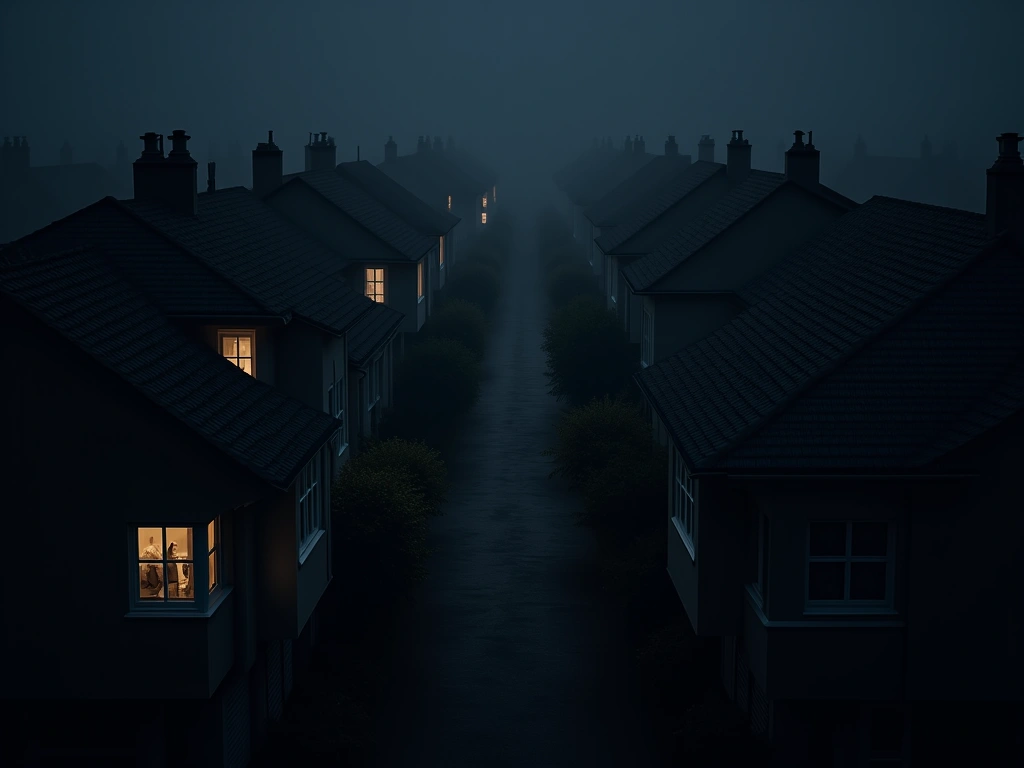
This song, in particular, became an anthem for fans who appreciate the preservation of the Creole language’s poetic potential. By using idioms, metaphors, and culturally specific references, Zafem validated the richness of Haitian culture.
They showed that modern music does not need to dilute its cultural identity to be successful; rather, deepening that identity can create a stronger connection with the audience.
The “Zafem effect” has since influenced other artists to pay closer attention to their songwriting and arrangements.
The band has set a new benchmark for production quality and artistic integrity. “Laline ak Soley” remains a prime example of this philosophy, standing as a piece of art that functions on multiple levels: as a dance song, a poem, and a cultural commentary.
FAQ
What is the main message of “Laline ak Soley”?
The song explores themes of duality, the cycle of day and night, and the human tendency toward voyeurism and gossip. It uses the sun and moon as metaphors for the public and private sides of life, suggesting that everything done in the dark eventually comes to light. It also celebrates the beauty of nature and the complexity of community interactions.
Who are the members of the band Zafem?
Zafem is a musical duo consisting of Dener Ceide and Reginald Cangé. Dener Ceide is a renowned composer, guitarist, and producer known for writing hits for various bands in the HMI. Reginald Cangé is a celebrated vocalist with a distinctive voice and energetic stage presence, formerly of the band Zenglen. Together, they combine high-level musicality with popular appeal.
What does the phrase “bouyi zen” mean in the lyrics?
In Haitian Creole, “zen” refers to gossip, rumors, or dramatic news. “Bouyi zen” literally translates to “boiling gossip,” implying that rumors are cooking up or spreading intensely. In the context of the song, it describes the community’s excitement and active discussion about the events they are witnessing, highlighting the social culture of information sharing.
Is “Laline ak Soley” a religious song?
While it contains references to God (“Bondye”) and spiritual concepts like blessings, it is not a religious song in the traditional liturgical sense. It is a secular Compas song that uses spiritual imagery to describe the grandeur of life and the human experience. The references to the divine often serve as metaphors for the awe-inspiring nature of the world.
What genre of music is this song?
The song belongs to the Compas (or Kompa) genre, which is the modern meringue dance music of Haiti. However, Zafem’s style is often described as “Modern Compas” or “Intellectual Compas” because it incorporates elements of jazz, funk, and world music, featuring more complex chord structures and arrangements than standard pop Compas tracks.
Why is the album titled “L.A.S”?
“L.A.S” is an acronym for the album title Lalin Ak Solèy (Moon and Sun). The abbreviation became a popular shorthand for the album among fans. The title reflects the album’s overarching themes of balance, opposites, and the comprehensive nature of the human experience, encompassing both the light of day and the mystery of night.
How does the song describe the night sky?
The lyrics describe the night sky as being “naked” (toutouni) after the stars depart. This vivid imagery suggests a state of vulnerability and openness. It paints a picture where the cover of darkness is removed, allowing the beauty—and perhaps the secrets—of the sky to be fully visible to the observers below.